Glossa vs Pathoura
Side-by-side comparison to help you choose the right tool.

Glossa provides real-time AI translation of sermons in over 100 languages, enabling churches to connect globally.
Last updated: February 27, 2026

Pathoura creates instant multilingual audio guides for museums using visitors' own smartphones.
Last updated: March 1, 2026
Visual Comparison
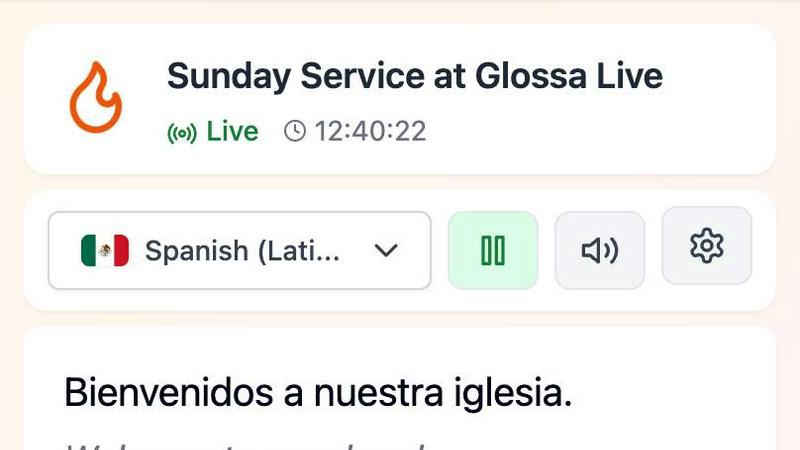
Glossa
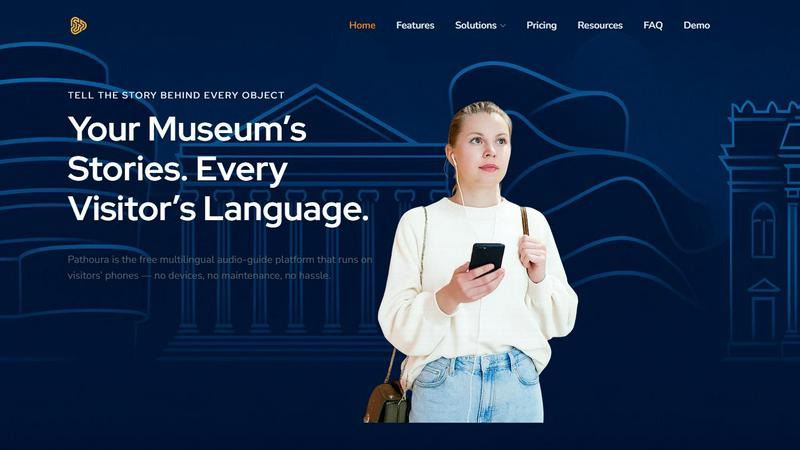
Pathoura
Feature Comparison
Glossa
Real-time AI Translation
Glossa provides real-time translation for live events, allowing congregants to hear or read translations almost instantly. This feature uses advanced AI technology to ensure that translations are not only fast but also accurate, maintaining the essence of the original message.
Voice Cloning
This unique feature allows churches to use the speaker's original voice in translations, creating a more personalized and relatable experience for listeners. By leveraging voice cloning technology, Glossa enhances the connection between the speaker and the congregation, making translations feel more authentic.
100+ Language Support
With the capability to support over 100 languages, Glossa caters to a wide range of congregational needs. This extensive language support ensures that diverse communities can engage fully in worship, regardless of their native language.
Easy Setup and Mobile Experience
Getting started with Glossa is incredibly simple. Users can connect their existing audio system to Glossa in less than 10 seconds, requiring no special hardware. Furthermore, congregation members can easily access translations on their smartphones, ensuring a user-friendly experience for everyone.
Pathoura
AI-Powered Translation & Narration
This core feature eliminates the need for expensive human translators and voice actors. Pathoura's advanced AI engine instantly translates exhibit text into over 20 languages and generates expressive, human-sounding audio narration in seconds. This allows museums to create professional, multilingual guides quickly and affordably, with the ability to preview and fine-tune content before publishing.
No-App, Smartphone-Based Access
Pathoura removes the friction of app downloads and hardware rental. Visitors simply scan a QR code or enter an exhibit number on their own smartphone's web browser to instantly access the audio guide. This provides a seamless, zero-installation experience for the visitor and eliminates the cost, maintenance, and sanitation concerns associated with physical audio devices for the institution.
Intuitive Web Dashboard for Content Management
The platform provides a user-friendly web dashboard where museum staff can effortlessly create and manage their entire audio guide. Users can add exhibit titles, detailed stories, images, and organize content into zones or thematic routes. All content is auto-saved and can be updated instantly, ensuring guides are always current as exhibitions evolve.
Built-in Monetization & Analytics
Pathoura helps cultural sites create sustainable revenue streams. The platform includes options to monetize audio guide access, turning a cost center into a potential profit center. While not explicitly detailed in the context, such a system typically provides insights into visitor engagement, popular exhibits, and language preferences, informing future programming.
Use Cases
Glossa
Multilingual Sunday Services
Churches with diverse congregations can leverage Glossa during Sunday services to provide real-time translations. This allows attendees from different linguistic backgrounds to understand the sermon and participate actively in worship.
Special Events and Conferences
For churches hosting special events or conferences, Glossa can facilitate communication across language barriers. By providing simultaneous translations, attendees can engage with speakers and participate in discussions, enhancing the overall experience.
Community Outreach Programs
When engaging with immigrant communities, Glossa can be utilized to ensure that language does not hinder outreach efforts. By providing translations during community events, churches can build stronger connections and foster inclusivity.
Bible Study and Educational Sessions
Glossa can be a valuable tool for Bible studies and educational sessions, allowing participants to follow along in their preferred language. This feature helps deepen understanding of biblical texts and promotes a more enriching learning environment.
Pathoura
Small Museums with Limited Budgets
Small institutions often struggle with the high upfront cost of traditional audio guide hardware and multilingual production. Pathoura provides a free-to-start, scalable solution that allows them to offer professional, multilingual interpretation without significant investment, helping them compete with larger venues and enhance visitor satisfaction.
Major Galleries with Rotating Exhibitions
Large galleries frequently update their collections and special exhibits, making static audio guides obsolete. Pathoura's easy-to-update dashboard allows curators to quickly create and publish new audio content for temporary exhibitions, ensuring that interpretation is always aligned with the current display and reducing long-term production costs.
Heritage Sites with Outdoor or Complex Layouts
Historic sites, castles, and archaeological parks often cover large areas where wired hardware is impractical. Using Pathoura, these sites can place QR codes at key points of interest. Visitors can explore at their own pace, accessing location-specific stories directly on their phones, without being tied to a fixed audio tour route or carrying extra equipment.
Institutions Aiming for Greater Accessibility and Inclusion
Museums seeking to serve diverse, international audiences face language barrier challenges. Pathoura's instant translation into 20+ languages makes exhibits accessible to non-native speakers effortlessly. This promotes inclusivity, broadens the institution's reach, and improves the educational experience for all visitors without creating complex, multi-lingual workflows for staff.
Overview
About Glossa
Glossa is an innovative real-time AI translation service designed specifically for churches with multilingual congregations. The service addresses a significant challenge faced by many churches: language barriers that prevent full participation in worship and community activities. As the pastor speaks, Glossa captures the audio, transcribes it, and translates it into over 100 languages simultaneously. This allows congregation members to connect with their smartphones and listen to the sermon in their preferred language through earbuds, eliminating the need for costly interpretation equipment or volunteer translators. With its ultra-low latency, Glossa ensures that translations remain in perfect sync with the speaker, making the worship experience seamless and inclusive. Whether you are a small immigrant church or a large international ministry, Glossa empowers everyone to receive the Word in their heart language, making it an invaluable tool for fostering unity in diverse communities.
About Pathoura
Pathoura is an innovative, AI-powered audio guide platform designed specifically for museums, galleries, and heritage sites. It solves the critical challenge of delivering engaging, multilingual interpretation without the prohibitive cost and operational complexity of traditional hardware-based systems. The platform empowers cultural institutions of all sizes to easily create, manage, and share high-quality audio content. By leveraging a simple web dashboard, staff can upload exhibit information, images, and organize visitor routes in minutes. Pathoura's core value proposition lies in its advanced AI, which automatically translates content and generates natural-sounding voice narration in over 20 languages, dramatically expanding audience reach. Visitors access guides instantly via QR codes or links on their own smartphones, eliminating the need for physical devices, app downloads, and dedicated IT infrastructure. This approach not only reduces costs and electronic waste but also provides built-in monetization options, helping institutions generate sustainable revenue. Ultimately, Pathoura transforms visitor experiences by making rich, accessible, and always up-to-date storytelling simple and affordable for every cultural institution.
Frequently Asked Questions
Glossa FAQ
How does Glossa ensure translation accuracy?
Glossa leverages cutting-edge AI technology trained on a vast array of linguistic data, including biblical texts. This specialized training allows Glossa to provide accurate translations that respect the context and vocabulary of religious teachings.
What equipment do I need to use Glossa?
To use Glossa, all you need is a laptop with an internet connection and your existing audio system. There is no requirement for additional hardware, making it easy to integrate into your current setup.
Is there customer support available?
Yes, Glossa provides 24/7 email and phone support to assist users with any questions or issues they may encounter while using the service.
Can I try Glossa before committing to a plan?
Absolutely! Glossa offers a free trial that allows users to experience the service for 4 hours at no cost. This gives churches the opportunity to explore the features and benefits before making a financial commitment.
Pathoura FAQ
Do visitors need to download an app to use Pathoura?
No, visitors do not need to download any app. Pathoura guides are accessed directly through a smartphone's web browser. Visitors simply scan the QR code placed next to an exhibit or enter a displayed exhibit number on the Pathoura web page to start listening instantly, ensuring a frictionless experience.
How does the AI translation and narration work?
You input your exhibit text in your base language (e.g., English) into the Pathoura dashboard. With a few clicks, the platform's AI translates that text into your chosen languages. It then uses a natural-sounding voice engine to generate the audio narration. You can preview and edit both the text and audio before publishing to ensure accuracy and quality.
What kind of hardware or equipment do we need to provide?
Pathoura requires no specialized hardware for your visitors. The only physical items you may need are printed QR codes or signs with exhibit numbers to display alongside your objects. This eliminates the costs of purchasing, maintaining, charging, and sanitizing physical audio guide devices, significantly reducing operational overhead.
Can we use our own pre-recorded audio files?
Yes, the platform is flexible. While Pathoura's AI can generate narration automatically, you can also upload your own pre-recorded audio files for specific exhibits or stories through the web dashboard. This allows institutions to use existing content or hire voice talent for key narratives while leveraging AI for other languages or updates.
Alternatives
Glossa Alternatives
Glossa is an innovative AI translation service tailored for churches with multilingual congregations. It enables real-time translation of sermons into over 100 languages, allowing congregants to engage fully in worship, regardless of the language spoken. Users typically seek alternatives to Glossa for various reasons, including cost considerations, specific feature requirements, or compatibility with existing platforms and technologies. When evaluating alternatives, it's essential to consider the types of languages supported, the latency of translations, ease of setup, and the user experience for congregation members. Ensuring that any potential solution meets the unique needs of a diverse community while remaining budget-friendly should be a priority for decision-makers.
Pathoura Alternatives
Pathoura is an AI-powered audio guide platform designed to help museums and cultural institutions create immersive, multilingual visitor experiences. It falls within the category of AI assistants, specifically tailored for enhancing engagement in physical spaces through digital storytelling. Users often explore alternatives to Pathoura for various reasons. Budget constraints, specific feature requirements like advanced analytics or custom app development, and the need for different integration capabilities with existing ticketing or CRM systems are common drivers. Some institutions may also prioritize platforms with longer-established market presence or different pricing models. When evaluating alternatives, key considerations include the quality and range of language support, the ease of the content management system, and the overall cost of ownership. It's crucial to assess how well a solution scales, its ability to update content in real-time, and whether it offers sustainable revenue options without relying on physical hardware that contributes to waste.