Buzz Watch vs Pipeline
Side-by-side comparison to help you choose the right tool.

Get insights on brand & competitor AI presence.

Pipeline
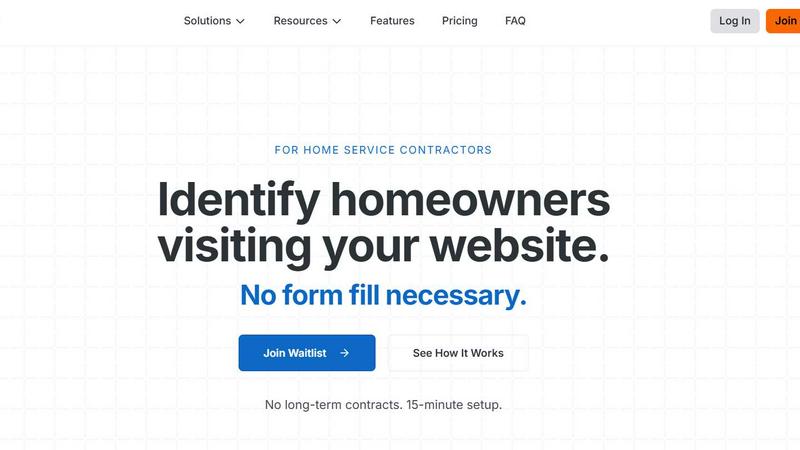
Pipeline uncovers anonymous website visitors, transforming them into valuable leads without requiring any form.
Last updated: February 27, 2026
Visual Comparison
Buzz Watch

Pipeline
Overview
About Buzz Watch
BuzzWatch is a 360° brand intelligence platform built for the age of AI search. As more consumers turn to ChatGPT, Perplexity, and Google AI for recommendations, traditional SEO monitoring is no longer enough. BuzzWatch tracks how your brand is mentioned, ranked, and described across major LLMs — giving you visibility scores, sentiment analysis, competitor benchmarking, and source attribution in one dashboard. Beyond LLM monitoring, BuzzWatch also listens to community conversations on Reddit, Quora, and online forums, tracks how AI bots crawl your website, and provides content recommendations to improve your AI visibility. Available across 50+ countries and 20+ languages, with a really competitive price and instant setup — no technical skills required.
About Pipeline
Pipeline is an innovative tool designed specifically for home service companies, enabling them to identify anonymous traffic visiting their websites. Unlike traditional lead generation methods that rely on form fills, Pipeline captures essential visitor information such as names, addresses, and emails without requiring any form submission. This groundbreaking approach allows businesses to significantly increase their lead pool, converting an average of 40% of website visitors into actionable leads. With Pipeline, companies can seamlessly integrate their lead data with existing CRMs, facilitating automated communication strategies including emails, calls, postcards, and even door knocking. By turning anonymous visitors into qualified leads, Pipeline empowers contractors to maximize their marketing investments and improve their overall conversion rates.