Rupa vs Video Database
Side-by-side comparison to help you choose the right tool.

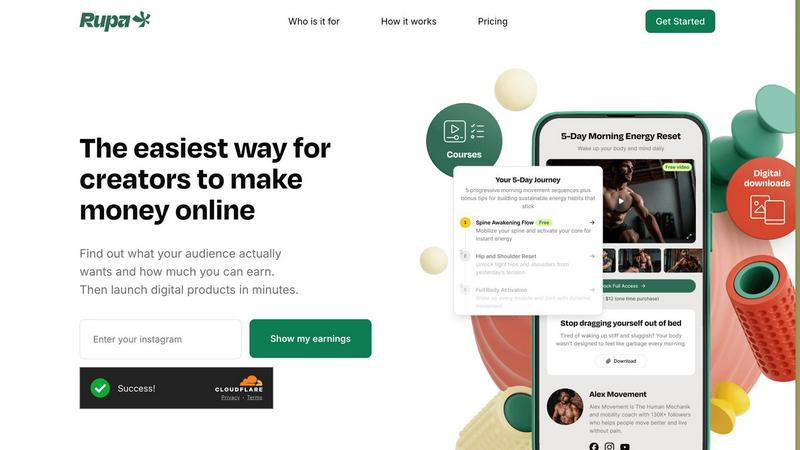
Rupa empowers creators to monetize their audience by easily selling digital products and courses with zero fees.
Last updated: March 1, 2026

Video Database
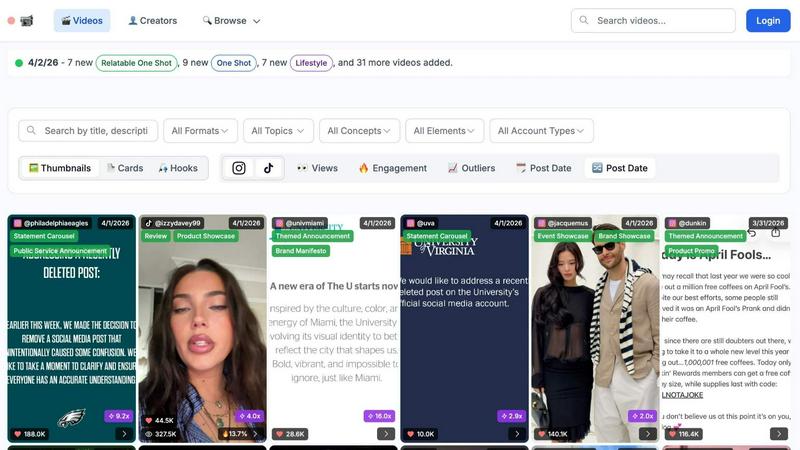
Monitors and organizes high-value creator videos.
Visual Comparison
Rupa
Video Database
Overview
About Rupa
Rupa is a revolutionary all-in-one monetization platform designed specifically for dedicated creators who face the daunting challenge of transforming their engaged audiences into a sustainable income. Many creators, despite their talent and follower count, struggle to achieve financial independence due to the overwhelming complexities involved in building a digital business. From product ideation to sales copywriting, and from creating landing pages to setting up payment systems, the technical hurdles can be immense and discouraging. Rupa simplifies this journey by automating the entire process, enabling creators to discover what their audience wants to buy and seamlessly deliver the final product. Crafted by ex-Google experts in the creator economy, Rupa is tailored for those with 5,000 to 50,000 highly engaged followers. It empowers creators to launch digital products, such as online courses and templates, in mere minutes instead of months. The platform's core value proposition is to allow creators to own their revenue streams, maintaining direct customer relationships and avoiding platform dependencies, algorithm fluctuations, and excessive transaction fees. With Rupa, turning social media engagement into reliable income has never been easier.
About Video Database
The Video Database began as an internal solution to a common frustration: as creators and content strategists we need to "study the best," but this typically means endless scrolling through social platforms riding the algo waves - good or bad. Nobody needs more of that.
Cut30, our short-form video bootcamp, maintains hundreds of hand-curated reference videos throughout its curriculum—valuable examples embedded within tutorials, exercises, and lessons. However, these references were scattered across the platform without centralized organization or analysis. What started as simply organizing and categorizing those videos, was a slippery slope.