CloudBurn vs Mod
Side-by-side comparison to help you choose the right tool.

CloudBurn
CloudBurn helps you avoid unexpected AWS bills by providing cost estimates directly in your pull requests before.
Last updated: February 28, 2026

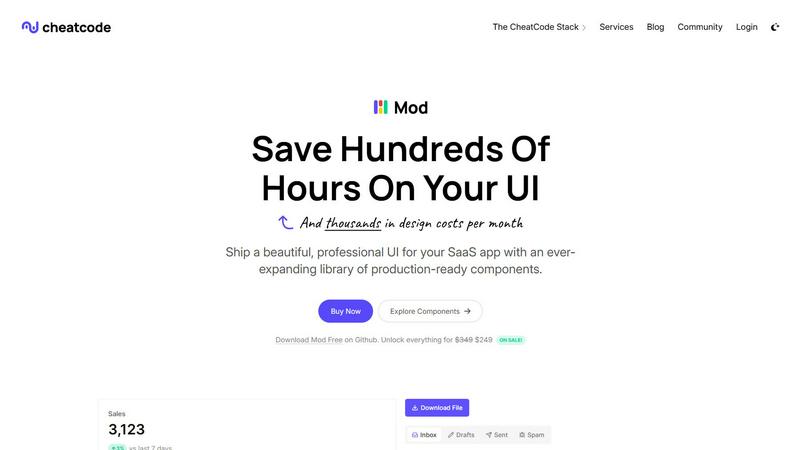
Mod accelerates SaaS development with a robust CSS framework and extensive UI components for rapid deployment.
Visual Comparison
CloudBurn
Mod
Feature Comparison
CloudBurn
Real-Time Cost Estimation
CloudBurn provides instantaneous cost estimates for infrastructure changes directly within the pull request review process. This feature ensures that developers are always aware of the financial implications of their changes, allowing for informed decision-making.
Automated Cost Reporting
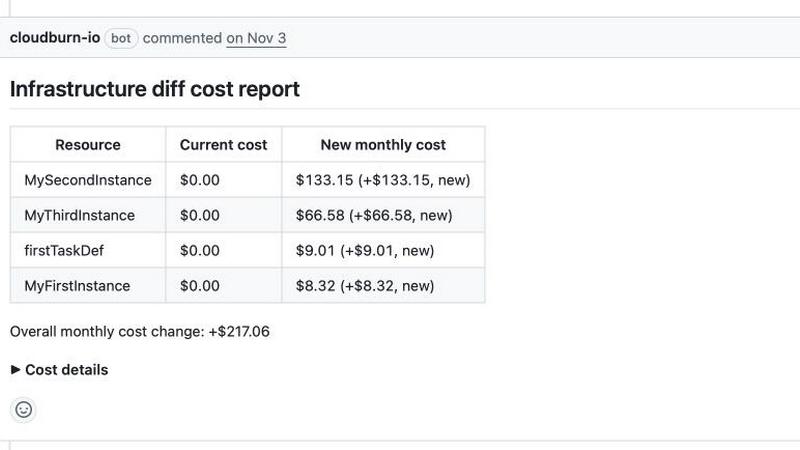
Upon the creation of a pull request, CloudBurn automatically analyzes the infrastructure changes and posts a detailed cost report as a comment. This report highlights the expected financial impact of new resources, making it easier for teams to discuss potential cost optimizations.
GitHub Integration
CloudBurn integrates seamlessly with GitHub, allowing users to install it directly from the GitHub Marketplace. This integration simplifies setup and ensures that cost analysis is embedded within the existing CI/CD workflow, enhancing operational efficiency.
Continuous Cost Monitoring
With CloudBurn, teams benefit from ongoing cost visibility. The platform utilizes real-time AWS pricing data, ensuring that developers always have access to the most current cost information related to their infrastructure, thus minimizing unexpected expenses.
Mod
Comprehensive Component Library
Mod boasts over 88 pre-built components, ranging from buttons and forms to modals and navigation bars. This extensive library enables developers to quickly assemble their user interfaces without needing to design elements from scratch, saving valuable time and effort.
Customizable Styles
With 168 unique styles available, Mod allows developers to easily customize the appearance of their components. This flexibility means that teams can maintain their brand identity while ensuring a consistent look and feel across their applications.
Dark Mode Support
In today’s digital landscape, dark mode is a sought-after feature among users. Mod includes built-in dark mode capabilities, enabling developers to offer their applications in both light and dark themes, enhancing user comfort and accessibility.
Responsive and Mobile-First Design
Mod is designed with a mobile-first approach, ensuring that all components are responsive and adapt seamlessly to various screen sizes. This feature is crucial for providing an optimal user experience across devices, from smartphones to desktops.
Use Cases
CloudBurn
Preventing Budget Overruns
CloudBurn is essential for teams aiming to prevent budget overruns by providing upfront visibility on infrastructure costs. By integrating cost estimates into the pull request process, developers can make more informed choices about resource usage.
Enhancing Cost Awareness
For organizations looking to foster a culture of cost-aware development, CloudBurn serves as a tool that integrates cost considerations into the development workflow. This proactive approach encourages developers to think critically about expenses associated with their code.
Reducing Reactive Fixes
CloudBurn helps mitigate the need for reactive fixes by catching potential cost issues before they reach production. This capability not only saves time but also reduces the stress associated with last-minute changes to deployed resources.
Streamlining CI/CD Practices
By embedding cost analysis into the CI/CD pipeline, CloudBurn streamlines workflow for DevOps teams. The automated reporting and analysis capabilities ensure that cost considerations are a standard part of the deployment process, enhancing overall efficiency.
Mod
Rapid Prototyping
Mod is ideal for rapid prototyping of SaaS applications, allowing developers to quickly create functional and visually appealing interfaces. This speed helps teams gather user feedback earlier in the development process, leading to more effective iterations.
Startups and MVP Development
For startups looking to launch Minimum Viable Products (MVPs), Mod provides the essential tools to build a professional-looking application without incurring high design costs. This capability is vital for attracting early adopters and investors.
Custom SaaS Solutions
Development teams can leverage Mod to create tailored SaaS solutions for their clients. With its extensive component library and customizable styles, it enables the creation of unique applications that meet specific business needs.
Cross-Framework Compatibility
Mod's framework-agnostic nature makes it an excellent choice for teams working with multiple technologies. Whether using JavaScript frameworks or backend systems, developers can integrate Mod seamlessly, improving collaboration and efficiency.
Overview
About CloudBurn
CloudBurn is a proactive FinOps and cost intelligence platform tailored specifically for engineering teams leveraging Terraform or AWS CDK. The product addresses the pressing challenge of escalating cloud costs by integrating cost visibility early in the development lifecycle. Instead of waiting for the end of the month to discover expensive infrastructure mistakes reflected in a shocking AWS bill, CloudBurn delivers real-time cost estimates during the code review process. When a developer submits a pull request with infrastructure changes, CloudBurn automatically analyzes the differences using live AWS pricing data and generates a detailed cost report as a comment on the PR. This vital feedback loop enables teams to engage in meaningful discussions about cost implications before code is merged and deployed to production. Designed for DevOps engineers, platform teams, and developers responsible for infrastructure, CloudBurn helps prevent budget overruns, encourages cost-sensitive development practices, and eliminates the reactive scramble typically required to address costly resources already running in production.
About Mod
Mod is an innovative CSS framework specifically designed for Software as a Service (SaaS) user interfaces. It provides developers with a comprehensive toolkit that includes over 88 pre-built components, 168 unique styles, and 1,500+ icons, all aimed at streamlining the process of building visually appealing and responsive web applications. As a framework-agnostic solution, Mod seamlessly integrates with popular JavaScript frameworks such as Next.js, Nuxt, Vite, Svelte, as well as backend frameworks like Rails and Django. This versatility allows both solo developers and teams to leverage Mod's capabilities without being tied to a specific technology stack. By offering dark mode support and a mobile-first design approach, Mod ensures that applications not only look great on any device but also enhance user experience. With simple pricing and regular yearly updates, Mod empowers developers to ship their applications faster, significantly reduce design costs, and create polished, professional SaaS products that stand out in the competitive market.
Frequently Asked Questions
CloudBurn FAQ
How does CloudBurn integrate with my existing workflow?
CloudBurn integrates directly with GitHub, allowing you to install it from the GitHub Marketplace. It automates cost analysis for each pull request without disrupting your existing development processes.
What infrastructure-as-code tools does CloudBurn support?
CloudBurn supports both Terraform and AWS CDK. Depending on your tool of choice, you can add the appropriate GitHub Action to your workflow to utilize CloudBurn's cost analysis features.
Can I try CloudBurn for free?
Yes, CloudBurn offers a free plan that allows you to start using the tool without a credit card. Additionally, there is a 14-day Pro trial available for those interested in experiencing premium features.
What happens if I don't address the cost estimates provided by CloudBurn?
If cost estimates are ignored, the potential for budget overruns increases, and expensive misconfigurations may reach production. CloudBurn's purpose is to prevent these issues before they occur, promoting a proactive approach to cost management.
Mod FAQ
What is Mod primarily used for?
Mod is primarily used for building user interfaces for Software as a Service (SaaS) applications. It provides developers with a comprehensive set of tools to create responsive and visually appealing designs.
Can Mod be integrated with any JavaScript framework?
Yes, Mod is framework-agnostic and can be integrated with a variety of JavaScript frameworks such as Next.js, Nuxt, and Vite, as well as backend frameworks like Rails and Django.
Is there support for dark mode in Mod?
Absolutely! Mod includes built-in support for dark mode, allowing developers to easily implement this popular feature in their applications and enhance user experience.
How often does Mod receive updates?
Mod offers yearly updates to ensure that developers have access to the latest features and improvements. This commitment to regular updates helps teams stay competitive and efficient in their development processes.