iGPT vs Threat Watch
Side-by-side comparison to help you choose the right tool.

iGPT transforms your email data into secure, actionable insights for streamlined enterprise workflows and AI.
Last updated: February 28, 2026

Threat Watch
Threat Watch identifies security vulnerabilities and offers immediate solutions to enhance your cybersecurity health.
Last updated: March 1, 2026
Visual Comparison
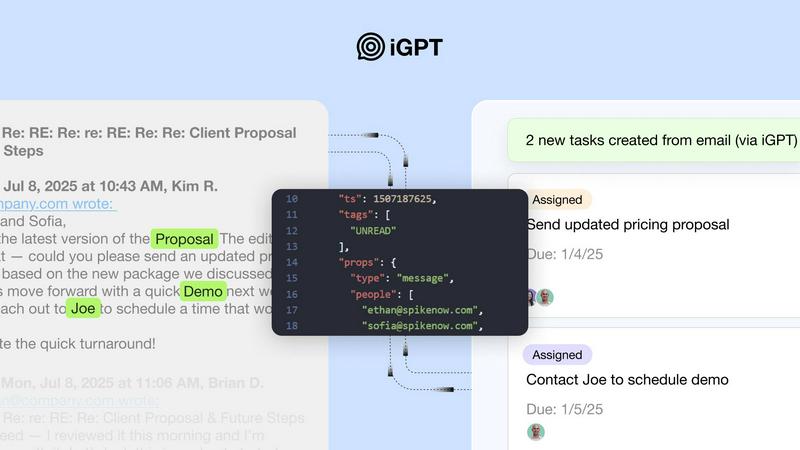
iGPT
Threat Watch
Feature Comparison
iGPT
Immediate Integration
iGPT offers a swift setup process with an SDK and live playground that allows users to test requests and responses quickly. This feature ensures that organizations can implement the API without extensive delays, facilitating immediate access to email intelligence.
Unified Endpoint
With iGPT, users can send a single request that performs retrieval, context shaping, and reasoning in one streamlined pipeline. This unified approach eliminates the need for multiple endpoints, simplifying the process of accessing and utilizing email data.
Contextual Responses
The API provides responses that are ready for reasoning and automation, complete with citations to the source emails and attachments. This feature enhances the reliability of the insights generated, ensuring that decisions are based on accurate information.
Continuous Data Indexing
iGPT continuously indexes new messages and attachments in real time, ensuring that data and insights remain up-to-date. This dynamic indexing process helps organizations stay current with their communication data, making it easier to adapt to changing circumstances.
Threat Watch
Continuous Vulnerability Assessment
Threat Watch offers real-time assessments of your organization's vulnerabilities, ensuring that you are always aware of potential weaknesses before they can be exploited. This feature helps in maintaining a proactive security posture.
Dark Web Monitoring
Stay ahead of cybercriminals with Threat Watch's dark web monitoring capabilities. This feature continuously scans for exposed credentials and compromised accounts, alerting you immediately if sensitive information is found, thereby mitigating associated risks.
Automated Risk Prioritization
Instead of manually sifting through alerts, Threat Watch automatically prioritizes risks based on their severity and potential impact on your organization. This allows security teams to focus on the most critical threats first, enhancing overall response efficiency.
Comprehensive Security Health Dashboard
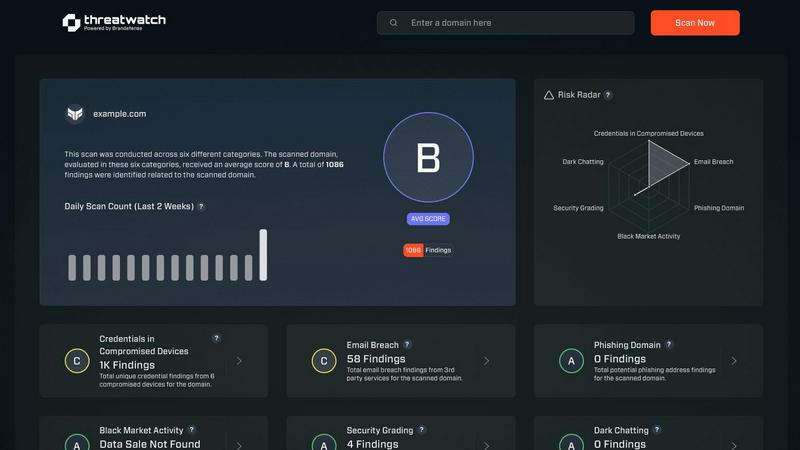
The solution includes a user-friendly dashboard that provides a clear and actionable overview of your cybersecurity health. With visual insights into key security categories, stakeholders can make informed decisions quickly.
Use Cases
iGPT
Email Assistants
Organizations can build intelligent agents that draft, prioritize, and act on emails with comprehensive context. This use case enhances productivity by allowing teams to focus on high-value tasks while the API handles routine communications.
Workflow Automation
iGPT can transform email threads into actionable tasks, deadlines, and approvals, effectively flagging items that are stalled. This automation streamlines operations, enabling teams to manage their workflows more efficiently.
Support Copilots
The API can be utilized to reconstruct intricate customer stories across lengthy email chains, attachments, and changes in tone. This capability aids support teams in gaining a full understanding of customer interactions, leading to improved service delivery.
Compliance and Audit Trail
iGPT helps organizations maintain a clear audit trail of feedback, approvals, and rationale by tracing them back to original email conversations. This feature is crucial for ensuring compliance and accountability in business processes.
Threat Watch
Proactive Threat Mitigation
Organizations can utilize Threat Watch to identify and address vulnerabilities before they are exploited. By continuously monitoring assets and providing actionable insights, security teams can implement fixes and updates in a timely manner.
Incident Response Enhancement
In the event of a security incident, Threat Watch equips teams with the essential data needed for effective incident response. By offering detailed analyses of threats and their origins, the tool helps in crafting a swift and informed response strategy.
Risk Management Reporting
For risk managers and executives, Threat Watch provides comprehensive reporting capabilities. These reports highlight critical vulnerabilities and overall security posture, enabling better risk management decisions and resource allocation.
Compliance Assurance
Organizations in regulated industries can leverage Threat Watch to ensure compliance with various cybersecurity standards. The tool aids in identifying gaps in security measures and helps in documenting compliance efforts effectively.
Overview
About iGPT
iGPT is an advanced email intelligence API tailored for enterprises and agentic workflows, designed to transform the way organizations manage email communication. By acting as a secure and auditable gateway, iGPT converts email conversations and attachments into actionable insights that are context-aware. This cutting-edge tool alleviates the complexities of email data handling, enabling enterprises to retrieve, shape, and reason through their communication data efficiently. The main value proposition of iGPT is its ability to provide a unified endpoint that streamlines the entire process, allowing organizations to leverage their email interactions for improved decision-making, task automation, and compliance adherence within a secure framework. With seamless integration capabilities, iGPT empowers teams to focus on deriving insights, ultimately boosting productivity and collaboration across various departments.
About Threat Watch
In an era where cyber threats are more sophisticated and frequent than ever, organizations are tasked with safeguarding their digital assets against a multitude of risks. Threat Watch is a cutting-edge cybersecurity intelligence solution designed to address this pressing challenge. With a focus on providing a unified view of your organization's cyber health, Threat Watch continuously analyzes assets, vulnerabilities, and exposures in real time. This tool is tailored specifically for IT security teams, risk managers, and business leaders who need to navigate the complexities of cybersecurity. Its main value proposition lies in speed and clarity; by automating assessments and prioritizing risks, Threat Watch transforms overwhelming data into actionable insights. Instead of becoming bogged down by endless alerts and manual processes, security teams can swiftly identify, understand, and mitigate threats, shifting from a reactive stance to a proactive strategy. Ultimately, Threat Watch turns cybersecurity from a daunting burden into a strategic advantage, empowering organizations to safeguard their critical assets efficiently.
Frequently Asked Questions
iGPT FAQ
What types of organizations can benefit from iGPT?
iGPT is designed for enterprises across various industries that rely heavily on email communication and require a systematic approach to manage and analyze this data effectively.
How does iGPT ensure data security?
iGPT employs multiple security measures, including zero data training, role-based access control (RBAC), and zero data retention, ensuring that sensitive information remains secure throughout the processing lifecycle.
Can iGPT integrate with existing email platforms?
Yes, iGPT is built for seamless integration with various email sources, allowing organizations to connect their existing systems and start leveraging email intelligence without significant overhauls.
What is the expected response time for iGPT queries?
iGPT typically provides retrieval responses in approximately 200 milliseconds, with the first token generated in around 3 seconds, even when processing large and complex email datasets.
Threat Watch FAQ
What types of threats can Threat Watch identify?
Threat Watch can identify a wide range of threats, including compromised credentials, unpatched software vulnerabilities, phishing attempts, and dark web exposures. This comprehensive approach ensures that organizations are aware of their security risks.
How does Threat Watch automate risk prioritization?
Threat Watch uses advanced algorithms to evaluate the severity and potential impact of identified vulnerabilities. By analyzing various factors, it automatically ranks risks, allowing teams to focus on addressing the most critical issues first.
Is Threat Watch suitable for small businesses?
Absolutely. Threat Watch is designed to scale with organizations of all sizes. Its user-friendly interface and automated features make it accessible for small businesses that may not have extensive security resources.
How does Threat Watch support compliance efforts?
Threat Watch supports compliance by continuously monitoring security measures and identifying gaps that could lead to non-compliance. It also provides detailed reporting, which is crucial for demonstrating adherence to regulations and standards.
Alternatives
iGPT Alternatives
iGPT is a sophisticated email intelligence API tailored for enterprises, designed to transform email data into secure, context-aware insights that enhance workflows and AI integration. As businesses increasingly rely on email communication, users often seek alternatives to iGPT for various reasons, including cost considerations, specific feature requirements, or compatibility with existing platforms. When exploring alternatives, it's essential to evaluate their integration capabilities, the comprehensiveness of features, and the overall security they provide to ensure they meet your organization's unique needs.
Threat Watch Alternatives
Threat Watch is a cybersecurity intelligence solution that provides organizations with real-time insights into their security posture. It belongs to the business intelligence category, focusing on helping IT security teams and risk managers identify and mitigate potential threats efficiently. Users often seek alternatives due to various reasons, including pricing concerns, specific feature requirements, and the need for integration with existing platforms. When evaluating alternatives, it's crucial to consider factors such as usability, scalability, and the comprehensiveness of threat detection and response capabilities to ensure that the chosen solution aligns with organizational needs.