AI Botkit vs Deeploy
Side-by-side comparison to help you choose the right tool.

Train AI & deploy to site. Human support ready.

Deeploy enables organizations to govern AI with confidence, ensuring compliance, risk management, and real-time.
Last updated: March 1, 2026
Visual Comparison
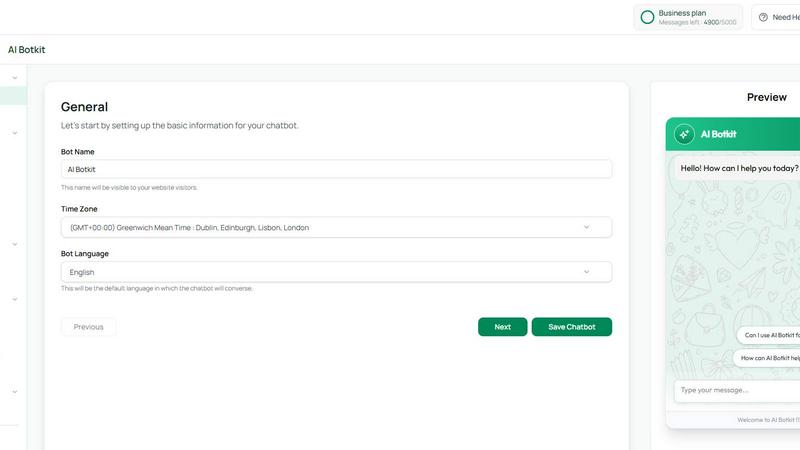
AI Botkit
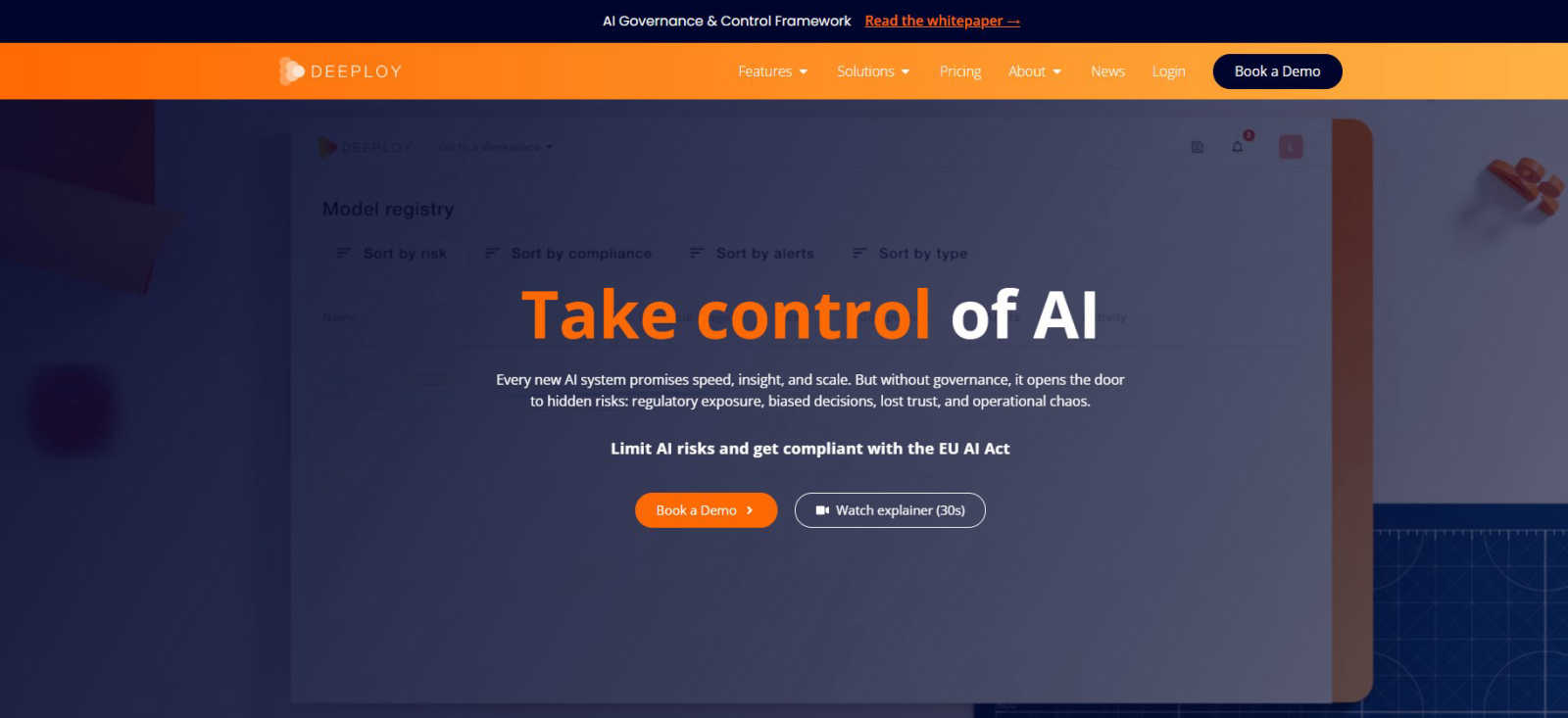
Deeploy
Overview
About AI Botkit
AIBotKit is a simple, no-code platform that helps businesses create and manage AI chatbots.
You don’t need any technical skills. In just a few minutes, you can train your chatbot using your own content like FAQs, documents, or website links, and start using it on your site.
It helps you:
Answer customer questions automatically
Capture leads
Engage visitors 24/7
If needed, your team can take over the conversation anytime through a smooth human handoff.
AIBotKit comes with:
A clean chat widget for your website
Multi-channel support (use it across platforms)
Analytics to track chatbot performance
Support for 75+ languages
Easy customization to match your brand
It’s built for business owners, marketers, and agencies who want to quickly add smart chatbots to their own or their clients’ websites.
About Deeploy
Deeploy is an advanced AI governance software designed specifically for organizations that utilize AI across multiple models, vendors, and embedded systems. It centralizes oversight, compliance, and monitoring of all AI systems, allowing businesses to navigate the complexities of AI governance with confidence. As companies increasingly rely on AI technologies, they face challenges such as compliance with regulations like the EU AI Act, risk management, and maintaining transparency in operations. Deeploy addresses these challenges by providing a structured governance framework, enabling organizations to scale their AI initiatives effectively while mitigating risks. Key features include real-time explainability, integration of human feedback, and comprehensive audit trails. By deploying Deeploy, organizations can eliminate blind spots, ensure compliance, and foster trust in their AI applications, ultimately enhancing operational resilience.