Amovera vs Phishly
Side-by-side comparison to help you choose the right tool.

Amovera
All-in-one wedding planner. No hidden fees.

Phishly
Phishly uses AI to instantly detect phishing emails, providing seamless security insights through a Chrome extension ...
Visual Comparison
Amovera

Phishly
Overview
About Amovera
Amovera is a wedding planning tool that keeps everything in one place. Guest list and RSVP management, seating chart builder, budget tracker, moodboard, vendor contacts and task lists, all without switching between apps or spreadsheets.
It works for two people at the same time, so both partners can plan together without stepping on each other's toes.
Most free wedding tools make money by selling your data to vendors. Amovera does not. You pay once and get lifetime access with no subscriptions, no upsells and no spam from caterers.
Available in English and German, building more languages soon.
One payment. Lifetime access. 60-day money-back guarantee.
About Phishly
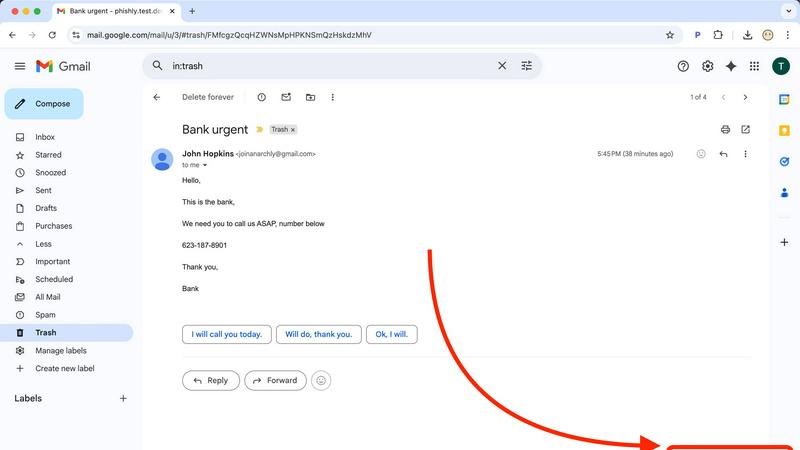
Phishly is an innovative AI-powered phishing detection platform designed to safeguard users from the growing threat of phishing attacks. Available as a Chrome extension for Gmail and a user-friendly web tool, Phishly offers a simple yet effective solution for anyone concerned about email security. Users can effortlessly scan any email in their Gmail inbox by clicking "Scan with Phishly" or by pasting suspicious emails directly on the Phishly website for immediate analysis. The platform utilizes advanced artificial intelligence to identify critical phishing indicators, including suspicious domains, urgent language, spoofed sender addresses, and common social engineering tactics. Phishly is particularly tailored for individuals and small businesses who seek reliable phishing protection without the complexities often associated with enterprise-level solutions. The platform guarantees user privacy by only analyzing emails that users choose to scan, meaning no unsolicited data is collected. With no technical expertise required, Phishly provides instant risk assessments categorized as Safe, Medium Risk, or High Risk, along with detailed explanations of the findings. This empowers users to make informed decisions about email legitimacy, ensuring they remain protected against potential threats.