

Alternatives to Autheo
Autheo is a Layer-0 OS with an integrated Layer-1 blockchain that unifies identity, compute, storage, and AI into one system to solve Web3.
11 alternatives found

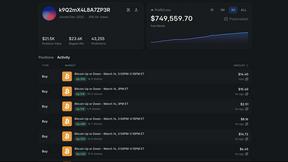
Polymarket Trading Bot For Crypto
Automate winning crypto prediction trades on Polymarket by running the proven arbitrage and hedging script that turned 68 into 1.5M.

Bitcoin Loans Market
Stop guessing which Bitcoin loan fits your coins Bitcoin Loans Market compares every real provider by APR custody and rehypothecation so you pick the.

MadeOnSol
MadeOnSol is your comprehensive hub for Solana tools, real-time KOL trades, and powerful APIs, all continuously updated for maximum insight.

Perpfinder
Struggling to compare crypto perpetuals across exchanges? Perpfinder aggregates live volume, fees, and open interest data so you can trade smarter.

CreateMyCoin
CreateMyCoin solves token creation complexity by launching your Solana coin in 60 seconds with no code.

Collab Chain
Collab Chain turns official royalty statements into verifiable, tamper-proof proof of credits and earnings.

Indexify
Indexify allows you to effortlessly copy expert crypto strategies and manage curated portfolios on the Solana.
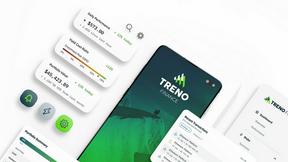
Treno.Finance
Treno.Finance transforms complex crypto data into actionable insights, helping investors manage risks and protect.

About Autheo Alternatives
Autheo is a Layer-0 Operating System that integrates a Layer-1 blockchain, designed to unify core digital functions like identity, compute, storage, developer tooling, and artificial intelligence into a single, interoperable environment. It positions itself as the foundation for a connected and intelligent web, bridging the gap between traditional operating systems and decentralized blockchain infrastructure. While Autheo offers a compelling vision for an all-in-one ecosystem, users often seek alternatives due to specific constraints such as the need for a more specialized focus on a single feature (like pure compute or identity management), a preference for a different consensus mechanism, or a desire for a more mature developer community and toolset. Others may find that Autheo’s comprehensive approach introduces complexity that doesn’t align with a simpler project requirement, or they might be looking for a solution with a different licensing model or pricing structure. When evaluating an alternative to Autheo, you should prioritize clarity on your core problem. If your primary need is decentralized storage, look for a platform that excels specifically in that area rather than a generalist OS. If AI integration is your main goal, assess the maturity of the AI tooling and model compatibility. Equally important is the ecosystem’s interoperability; the best alternative will seamlessly connect with the chains and dApps you already use. Finally, consider the development experience, including the quality of documentation, the size of the community, and the frequency of updates, as these factors directly impact your ability to build and scale effectively.
FAQs about Autheo Alternatives
What is Autheo?
Autheo is a Layer-0 Operating System with an integrated Layer-1 blockchain. It is designed to unify digital core functions such as identity, compute, storage, developer tooling, and AI capabilities into a single, interoperable environment. The project aims to serve as the foundation for a connected and intelligent web, bridging the gap between operating systems and decentralized blockchain infrastructure.
Who is Autheo for?
Autheo is targeted at developers, enterprises, and innovators who require a unified platform to build and run decentralized applications that need integrated identity, compute, storage, and AI services. It is particularly suited for projects that want to avoid the complexity of stitching together multiple disparate blockchain services and prefer a cohesive, all-in-one operating environment. Its target audience includes those building the next generation of intelligent, interconnected web applications.
What are the main features of Autheo?
Autheo's main features include its dual-layer architecture: a Layer-0 Operating System and an integrated Layer-1 blockchain. It unifies identity management, compute resources, storage, developer tooling, and AI capabilities into one interoperable environment. This design allows for seamless interaction between these components, enabling developers to build complex applications without relying on multiple external protocols.
Is Autheo secure?
Autheo is built with a focus on security by integrating its identity and compute layers directly into the operating system architecture, which allows for robust, native security protocols. The Layer-1 blockchain provides a decentralized and immutable foundation for transaction validation and data integrity. As a project unifying multiple core functions, its security model relies on the inherent security of its consensus mechanism and the isolation properties of its operating system design to protect user data and digital assets.