

Alternatives to diffray
Diffray's AI agents catch real bugs in code reviews to boost software quality.
20 alternatives found
Egmatic
No-code 2D game editor: visual node logic, drag-and-drop scenes, live preview. Exports to Windows, macOS, Linux, Android, iOS, Web.

layahost
Moderation, routing, intent and scoring for any text over one Jev-compatible API, hosted in the EU.

laya.tools
A free directory of 950+ projects built on Laya, the open-source decision model. Updated daily.

Sprite Sheet Maker
A free browser-based toolkit for creating, cutting, converting, and previewing sprite sheet animations.

Forms Plugin
The #1 Native Form Builder Plugin for Framer - No Code, No Embeds, No External Platforms.

AkraLabs
Where modern software products get discovered, launched, and distributed. Explore verified AI tools, SaaS startups, and developer software.

Free Gemini Omni
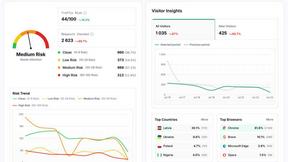
Create, remix, and edit cinematic AI videos online with Free Gemini Omni using text, image, audio, and video prompts.

SubmitMap
A directory of launch platforms: who each accepts, what disqualifies you, and how to submit. Free to read, and your agent can do the submitting.


Firma.dev
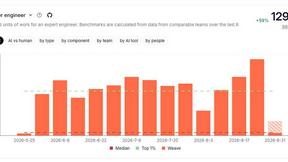
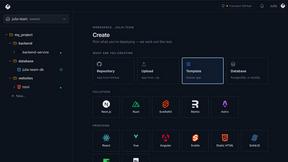
Pay-as-you-go e-signature API and no-code sending. €0.049 per envelope, no monthly minimums, legally valid in 55+ countries.
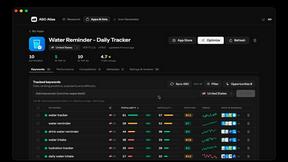
ASO Atlas
Real-time ASO tool with Apple Search Ads data for keyword research, rank tracking and opportunity scoring across 60+ storefronts.


Ornold
Ornold MCP lets AI agents control Chromium and antidetect browsers: click, type, read screens, record workflows, replay profiles without scripts.
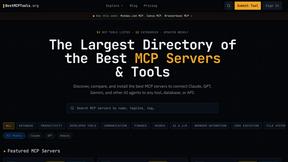

AIQualityHQ
AIQualityHQ instantly evaluates your AI prompts for structure, safety, and privacy using a free, local engine that delivers deterministic scores and.
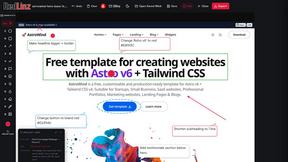
RedLinz
RedLinz turns screenshots into AI prompts by letting you circle and annotate exactly what you want an LLM to change.

About diffray Alternatives
diffray is an AI-powered code review tool in the development category, designed to streamline the pull request process. It uses a multi-agent system to catch real bugs and enforce best practices with minimal false positives, aiming to significantly cut down review time and improve code quality. Users often explore alternatives for various reasons. These can include budget constraints, the need for integration with specific platforms or CI/CD pipelines, or a requirement for different feature sets like support for particular programming languages or frameworks. The search for the right tool is highly individual to a team's workflow and technical stack. When evaluating alternatives, key considerations should be the accuracy of feedback and the reduction of noise, the tool's understanding of your codebase context, and the overall impact on developer velocity. The goal is to find a solution that integrates seamlessly, provides actionable insights, and ultimately makes the review process more efficient without sacrificing depth.
FAQs about diffray Alternatives
What is diffray?
diffray is an AI-powered code review tool that uses over 30 specialized agents to analyze pull requests for security, performance, bugs, and best practices, dramatically reducing false positives and review times.
Who is diffray for?
diffray is ideal for development teams looking to streamline their code review process, improve code quality, and reduce noise in feedback loops to accelerate development.
What are the main features of diffray?
Its main features are a multi-agent architecture for specialized analysis, codebase awareness for contextual feedback, and a focus on delivering clean, actionable comments without clutter.
Why choose diffray?
Teams choose diffray for its proven reduction of false positives by approximately 87%, its threefold increase in detecting real issues, and its ability to cut average weekly PR review time from 45 minutes to just 12.