

Alternatives to HiAPI
Stop juggling multiple AI model APIs and storage systems; HiAPI unifies image, video, and audio generation into one call with persistent artifacts.
20 alternatives found
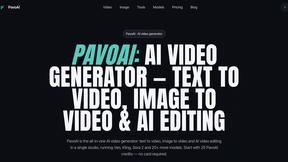
PavoAI
All-in-one AI video creation platform for text-to-video, image-to-video, editing, avatars, music, subtitles, and upscaling.
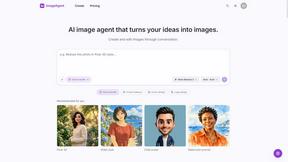
ImageAgent
Create and edit AI images through conversation, using text or reference images and refining results in chat.
GenX
All-in-one AI workspace to generate images, videos, and audio with multiple leading AI models.
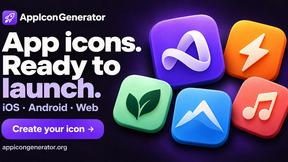
AppIconGenerator
Generate iOS and Android app icons from any image and export all platform sizes for free.
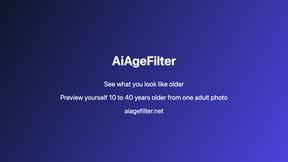
AiAgeFilter
Free AI age filter: upload an adult portrait, add 10-40 years, meet your older self. No app needed.

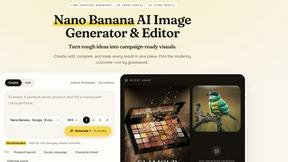
Nano AI
Create and edit AI images, generate videos, and compare models in one creative workbench.

RemoveObjectFromPhoto
Remove unwanted objects, people, and text from photos with AI for clean, natural-looking results in seconds.
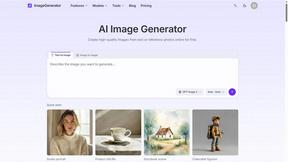
ImageGenerator
Create and edit AI images online with multiple models, text-to-image, image-to-image, background removal, and upscaling.


Nano Banana 2.1
A fast, simple image studio powered by Nano Banana 2.1. Create and edit high-quality images with accurate details, readable text, consistent character
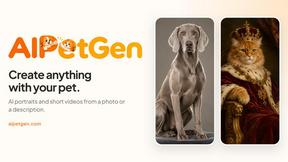
AIPetGen
AIPetGen turns a photo of your dog, cat, or other pet, or a written description, into a new picture or a short animation.

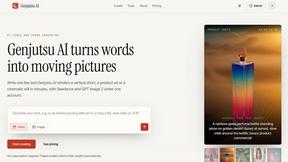
Genjutsu AI
Genjutsu AI turns your ideas into cinematic videos, product ads, social shorts, and high-quality images in minutes.

AI Album Cover Maker
Create release-ready album covers from a prompt or photo. Generate, refine, and export art for singles, EPs, mixtapes, and playlists.
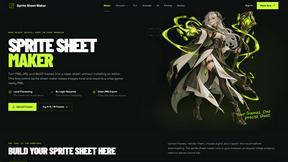
Sprite Sheet Maker
A free browser-based toolkit for creating, cutting, converting, and previewing sprite sheet animations.
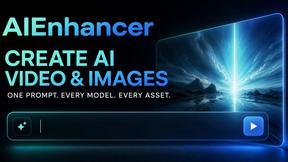
AIEnhancer
Enhance photos, create images, and generate videos with flexible AI workflows and creative effects.

Qwen Image Edit
Qwen Image Edit Online for prompt-based image editing, background changes, text edits, product images, posters, and outpainting.
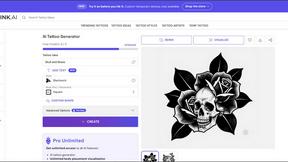
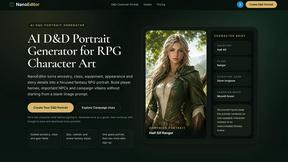
Nano Editor
NanoEditor is an AI-powered D&D portrait generator that turns character details like ancestry, class and gear into focused fantasy RPG art.
About HiAPI Alternatives
HiAPI is an API platform that aggregates leading AI models for image, video, and text generation into a single integration point. It belongs to the AI model aggregation and image generation middleware category, designed to simplify access to multiple generative AI providers without managing separate API keys or billing systems. While HiAPI offers convenience and unified billing, developers and businesses often seek alternatives due to specific limitations. Common drivers include the need for lower latency on particular models, frustration with rate limits during high-volume production, a desire for more granular control over model selection, or simply a mismatch in pricing tiers as usage scales from prototyping to enterprise deployment. Others may require features not emphasized by HiAPI, such as dedicated support for niche image styles, advanced prompt engineering tools, or stricter data privacy compliance for regulated industries. When evaluating an alternative, focus on three core areas: integration flexibility, cost predictability, and model diversity. First, ensure the platform supports your preferred programming language and offers an API structure that matches your existing codebase, ideally with OpenAI-compatible endpoints to minimize refactoring. Second, look beyond per-call pricing to understand batch discounts, caching capabilities, and whether pay-as-you-go terms truly align with your projected monthly volume. Finally, assess the breadth of models available—some platforms specialize in high-fidelity image generation while others excel at video synthesis or text-to-speech. Prioritize a solution that provides transparent performance benchmarks, uptime guarantees, and a clear roadmap for adding new models, ensuring your choice remains viable as AI technology evolves.
FAQs about HiAPI Alternatives
What is HiAPI?
HiAPI is a developer-first AI API platform that provides a single integration point for accessing leading AI models for image, video, and text generation. It allows developers to use one API key and OpenAI-compatible requests to interact with multiple models from different providers, simplifying the development process and eliminating the need to manage separate integrations.
Who is HiAPI for?
HiAPI is designed for developers and engineering teams building applications that require generative AI capabilities, such as image creation, video synthesis, or text generation. It is particularly useful for startups, SaaS companies, and enterprise developers who want to quickly prototype and scale AI features without the overhead of negotiating with multiple AI providers or managing complex billing systems.
What are the main features of HiAPI?
The main features of HiAPI include access to multiple leading AI models through a single API key, support for OpenAI-compatible request formats for easy migration, unified billing that consolidates usage from all models into one invoice, and a pay-as-you-go pricing model that allows developers to only pay for what they use. These features are designed to reduce integration complexity and improve cost control.
Is HiAPI secure?
HiAPI is built with security as a core consideration, implementing standard industry practices such as API key authentication and encrypted data transmission. As a developer-first platform, it follows common security protocols for API access, though specific compliance certifications or data handling policies should be verified directly with the provider to ensure they meet your project's security requirements.