
Playwriter
Playwriter lets AI agents control your real Chrome browser with all your logins and extensions intact.
Visit
About Playwriter
Playwriter is a revolutionary open-source tool that solves the fundamental problem of web browsing for AI agents. Traditional methods force agents to work in isolated, "clean" browser environments devoid of personal data, leading to instant bot detection, broken workflows, and repetitive manual logins. Playwriter flips this model entirely. It gives AI agents direct, programmable access to your actual Chrome browser session through a simple extension and CLI. This means your agents can operate in a browser that already has all your cookies, active logins, installed extensions, and user-specific settings. The core value proposition is seamless human-AI collaboration: the AI handles the tedious, repetitive automation tasks, while you remain in control, able to oversee actions in real-time and intervene instantly for captchas, consent dialogs, or unexpected issues. Built on the robust Playwright API and adhering to the Model Context Protocol (MCP), it integrates with popular clients like Cursor, Claude Desktop, and VS Code, offering a powerful, low-context automation platform that works within your existing digital environment without spawning extra processes or consuming significant additional memory.
Features of Playwriter
Your Actual Browser Session
Playwriter's cornerstone feature is its ability to let AI agents control your real, logged-in Chrome browser. Instead of launching a fresh, suspicious-looking headless instance, the agent operates directly in your existing window. All your cookies, active sessions on sites like Gmail or GitHub, and essential extensions (like password managers or ad blockers) are present and functional. This eliminates bot detection triggers that stem from "clean" browser fingerprints and removes the massive overhead of manually scripting login sequences for every automated task.
Full Playwright API via a Single Tool
Unlike other solutions that expose a limited, pre-defined set of tools (like "click" or "type"), Playwriter grants agents the full power of the Playwright automation library through one versatile execute command. The agent can write and run any Playwright code, enabling complex operations like performance profiling, setting JavaScript breakpoints, intercepting and modifying network requests, or taking efficient accessibility snapshots. This "one tool to rule them all" approach avoids the context window bloat of dozens of individual tool definitions and provides maximum flexibility.
Real-Time Human-in-the-Loop Collaboration
This feature transforms automation from a fire-and-forget script into an interactive partnership. You watch the agent perform actions live in your browser tab. If it encounters a captcha, a two-factor authentication prompt, or a quirky website dialog, you can simply solve it yourself. If the agent gets lost, you can temporarily disable control on that tab, manually navigate to the correct state, and re-enable the agent to continue. This collaborative debug loop makes complex, real-world automation feasible and reliable.
Advanced Debugging & Inspection Suite
Playwriter is built for development, not just execution. It includes a powerful suite of debugging tools: live code editing, breakpoints to pause execution, network request interception to mock APIs or analyze traffic, and built-in screen recording. Crucially, it uses compact accessibility snapshots (5-20KB) instead of bulky full-page screenshots, providing AI agents with a lightweight, semantic understanding of the page structure for reliable element selection and action planning.
Use Cases of Playwriter
Automated Data Aggregation & Research
For professionals who need to compile reports from multiple web sources, Playwriter is ideal. An AI agent can be instructed to log into your premium news portal, search for specific terms, navigate through paginated results, extract key information, and format it into a document—all while maintaining your subscription login state and bypassing paywalls that would block a fresh browser session.
Streamlined QA and Testing Workflows
Developers and QA engineers can use Playwriter to create and run complex, stateful test scenarios directly in a production-like browser environment. The agent can test multi-step user journeys that depend on being logged in, such as adding items to a cart, applying user-specific coupons, and proceeding to checkout, with the human tester observing and intervening only for non-automatable steps.
AI-Assisted Daily Administrative Tasks
Automate repetitive daily web tasks without security compromises. Instruct your AI to log into your company's HR portal and submit a timesheet, check specific metrics on a logged-in analytics dashboard, or moderate comments on a CMS where you are already authenticated. Since it uses your session, there's no need to share sensitive credentials with a third-party automation service.
Interactive Web Scraping and Monitoring
For projects that require scraping data from websites with complex authentication or anti-bot measures, Playwriter provides a robust solution. The AI can navigate these sites using your legitimate session, handle JavaScript-rendered content with ease using Playwright's full API, and set up monitoring scripts that alert you when specific page content changes, all while you maintain oversight.
Frequently Asked Questions
How does Playwriter handle security and privacy?
Playwriter is designed with a local-first architecture. The Chrome extension connects only to a WebSocket relay running on your own machine (localhost). No browser data, cookies, or session information is sent to any remote server. All automation commands and responses stay on your computer. You have complete visibility and control, as you watch every action the AI performs in real time in your browser window.
Can I use Playwriter with multiple browser tabs or agents?
Yes, the local relay multiplexes sessions. You can attach the Playwriter extension to multiple tabs in your browser (each tab turns green when attached). Multiple AI agents or CLI instances can then control different tabs simultaneously, or collaborate on the same tab, enabling complex multi-agent workflows or parallel task execution.
What happens if the AI gets stuck or makes a mistake?
This is where the human-in-the-loop model shines. You are watching the browser. If the agent clicks the wrong element or gets stuck in a loop, you can immediately click the extension icon to detach control (turning it gray), manually fix the issue, and then re-attach the agent. The agent continues from the new browser state, making debugging and recovery incredibly fast.
Is Playwriter free to use?
Yes. Playwriter is completely open-source software released under the permissive MIT license. You can download, use, modify, and distribute it for free, both personally and commercially. There are no subscription fees, tiered plans, or usage limits. The project is supported by its community and contributions on GitHub.
Similar to Playwriter
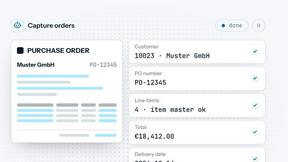

imgtxtapp.laviolab.com
imgtxtapp.laviolab.com is a Telegram-based image-to-text converter that turns photos, screenshots, scanned documents into editable text
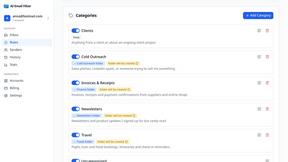
AI Email Filter
AI Email Filter sorts incoming mail into folders using plain-language prompts you write. Works with any IMAP mailbox; bring your own LLM if you want.

Rankbox
Rankbox helps websites get discovered, mentioned, and cited by AI search engines like ChatGPT and Google AI.

amaze.directory
Every AI tool here was opened and used on a real task before it went in. Free to submit.

saasgrow.ai
Find SaaS growth tools worth your time. Every tool is reviewed before it's listed, so the shortlist is already made for you.

Tools Network
Tools Network is a curated directory of the best AI tools across 25+ categories. Compare ratings, pricing, and features to find the right one, fast.